From limiting sharing to ending the program
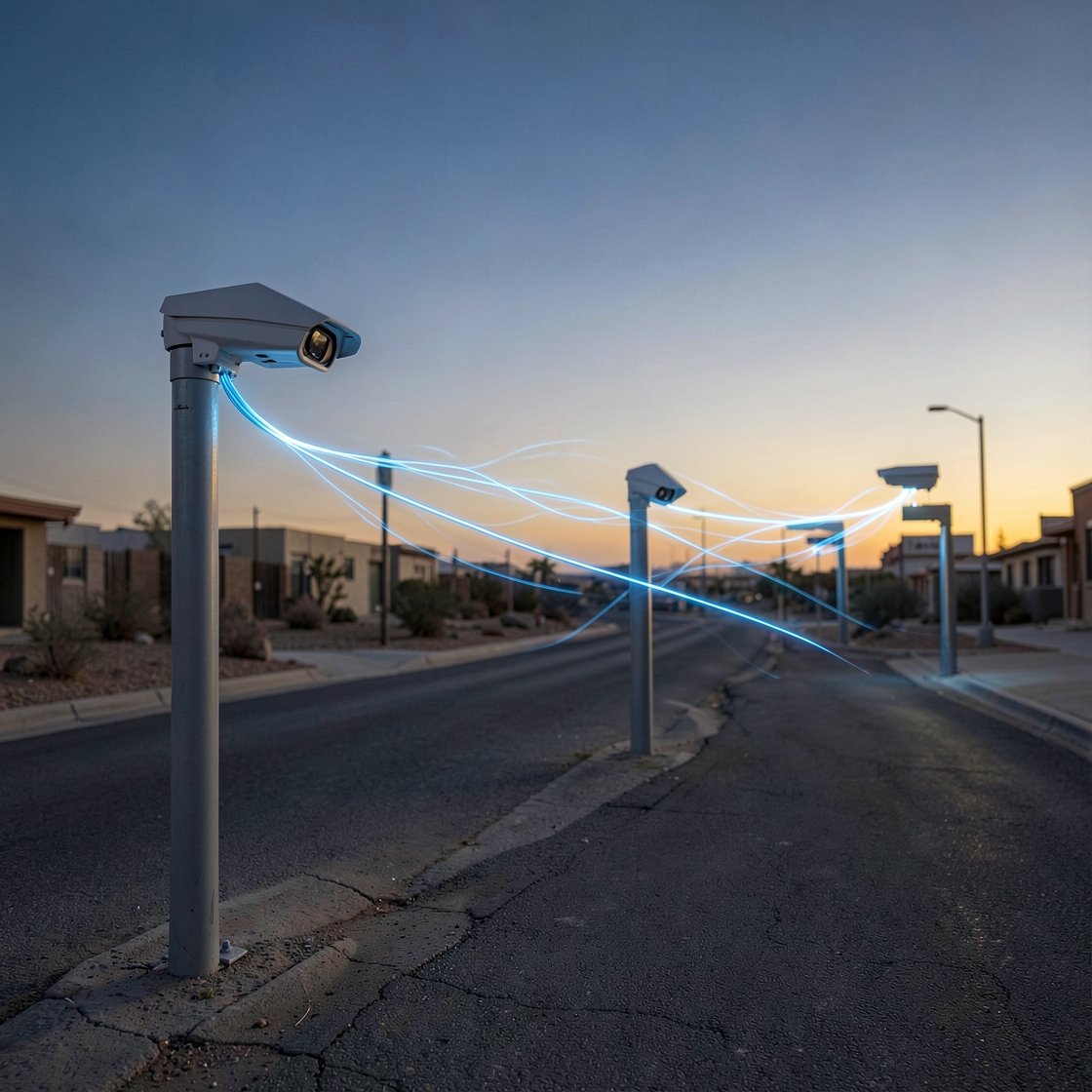
Business Insider reported on August 26, 2026 that Tempe, Arizona, had shut down its Flock automatic license plate reader system, citing privacy concerns and the risk of misuse. The city's own police news page confirms the operational outcome: the cameras are no longer collecting license-plate data, Flock will remove its equipment, and Tempe will not seek a replacement.
The decision followed an earlier step. Tempe's news archive records an August 11 announcement that police had ended all Flock data sharing to protect community privacy. Ending the full program two weeks later goes further than changing access settings or retention rules. It removes the collection point itself.
Automatic license plate readers capture plate images and associated time and location information as vehicles pass a camera. A network can help investigators search for vehicles connected to a specific incident, but broad collection also creates a record involving drivers who are not suspected of wrongdoing. The privacy question is therefore not limited to whether a camera works; it includes how long data is kept, who can search it, how searches are audited and whether information crosses jurisdictional boundaries.
Why local control is difficult
Networked surveillance products connect municipal hardware to vendor software and, in some deployments, to data from other agencies. That structure can make the effective policy larger than the local camera map. A city may set its own rules while still needing to understand vendor terms, default sharing settings, account permissions and changes to the broader network.
The American Civil Liberties Union, an advocacy organization that opposes broad ALPR deployments, has urged municipalities to scrutinize retention, sharing and vendor contract terms. Its position is not a neutral technical audit, but it identifies questions local governments can test directly through contracts, access logs, public records and independent review.
Tempe's choice avoids the recurring task of proving that each layer remains within policy. It also gives up any investigative value the city obtained from the system. Business Insider's report and the city notice establish the shutdown; they do not quantify how the cameras affected crime outcomes, so claims that the program was either effective or ineffective would go beyond the available evidence.
What other cities can learn
A defensible ALPR decision should begin with a public purpose narrow enough to measure. Officials can then specify retention limits, permitted queries, external-sharing rules, audit frequency, breach notification and a termination process that covers both local copies and vendor-held data. Those controls should be verified in practice, not only described in policy.
Tempe selected the clearest possible boundary: no continued collection and no replacement system. Other cities may choose tighter controls instead, but the burden remains the same—show residents exactly what is collected, who can use it and how violations are detected.
Sources
Related Articles
Evos puts human approval at the boundary of its industrial AI operators
The startup announced $9 million for operators that learn business tasks. Its staged-autonomy model makes permissions and escalation central to evaluation.
SAP's TechWolf deal brings inferred skills into the SuccessFactors roadmap
SAP has agreed to acquire TechWolf, with closing expected in Q4. Its skills-mapping approach could help workforce planning, but employee review and evidence of proficiency remain essential.
Safari 27's Trade Desk ad-blocking report moves to iOS 27.2 beta testing
The public WebKit thread records changes in an October 5 beta, but no completed test report. Publishers need to separate ad delivery from identity matching.
RemoveMacAI 1.0.1 clarifies which Mac cleanup actions delete immediately
The new native app goes beyond disabling Apple Intelligence. Its latest patch distinguishes immediate deletion and reports only measured model space.