What changed
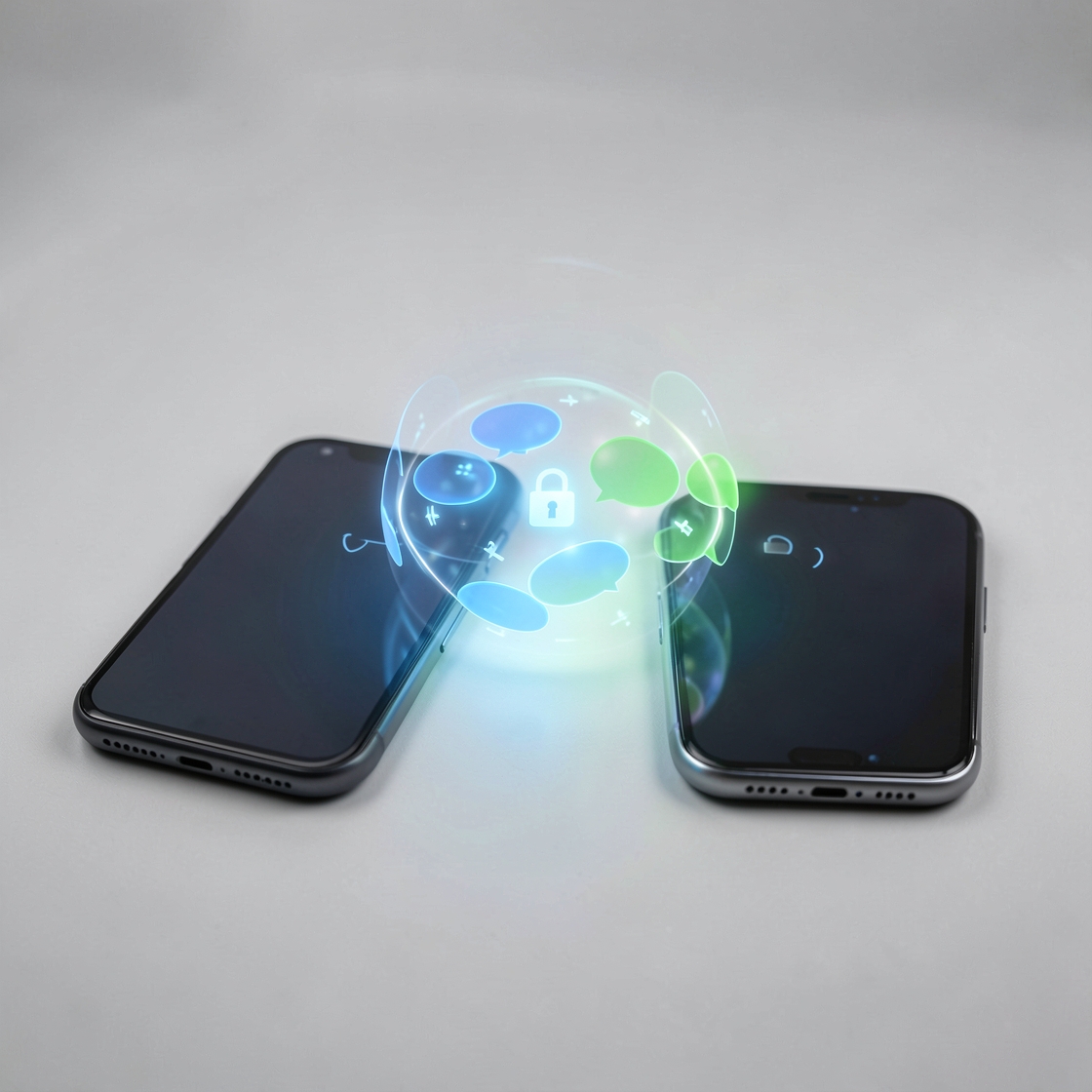
The Verge reported on August 5, 2026, that Sunbird Messaging has returned to the Google Play Store after a long pause triggered by the security failures around its earlier iMessage-for-Android approach. The new version again targets Android users who want iMessage-style blue bubbles when chatting with iPhone users, but Sunbird is now pitching the product as a rebuilt, more privacy-conscious messaging hub.
Sunbird's own site says the app brings iMessage, Google Messages RCS, and SMS into one Android inbox without requiring a Mac, iPhone, desktop app, or self-hosted server. Its Google Play listing says the current release supports blue-bubble iMessage conversations, RCS and SMS in one inbox, read receipts, typing indicators, reactions, high-resolution media, and group chats. The listing also says the app was updated on July 21, 2026, and includes in-app purchases.
Price is part of the relaunch pitch. Sunbird's FAQ says users get a 14-day free trial, followed by a $2.99 monthly plan or a $24.99 annual plan. The product is therefore not just a technical workaround; it is a paid bet that enough Android users still value the social and group-chat behavior attached to Apple's messaging ecosystem.
Why the security history matters
The central issue is trust. In 2023, Sunbird's technology became widely scrutinized after Nothing Chats, an app built on Sunbird's platform, was pulled following serious security findings. Texts.com's reverse-engineering write-up said the earlier implementation sent a sensitive authentication token over an unencrypted HTTP endpoint, exposed message-related data through Firebase, and sent outgoing message details to a debugging service. Those findings undercut the original privacy claims and made any comeback depend on concrete changes, not branding.
Sunbird now makes narrower and more explicit claims. Its website says it does not store users' messages, that conversations are encrypted on device and in transit, and that the iMessage connection does not require Sunbird to keep an Apple ID password or authentication token. Its privacy policy says messages are transmitted using TLS and message-layer encryption using AES, temporarily decrypted only at the moment of transfer to the native messaging service, and stored on disk only in encrypted form.
Those are company claims, not the same thing as public proof. The Verge says Sunbird told it that independent auditors found no critical vulnerabilities in the new app. That is useful context, but users and security teams should still look for published audit details, threat-model documentation, and clear explanations of how Apple ID authentication, relay infrastructure, message deletion, and incident response work in practice.
The RCS backdrop has changed
Sunbird is relaunching into a different messaging market than the one it left. Apple now documents RCS support on iPhone for messages with non-Apple devices, including higher-resolution media, delivery and read receipts, typing indicators, and links. Google also positions RCS as the baseline for better Android-to-iPhone messaging.
That weakens part of the old iMessage-for-Android argument: many cross-platform conversations no longer have to fall all the way back to SMS or MMS. But RCS does not make Android messages appear as Apple iMessage conversations. Apple still distinguishes RCS and SMS/MMS with green bubbles, while iMessage remains Apple's own blue-bubble service. Sunbird is trying to sell the social and group-chat experience that RCS has not erased.
What readers should watch
For consumers, the practical question is whether the blue-bubble benefit is worth routing sensitive communications through an additional third-party service. A clean app listing and stronger privacy language are helpful, but they do not remove the need for caution when an app asks to bridge accounts and messages across closed platforms.
For developers and product teams, Sunbird's return is a useful case study in recovery after a security collapse. The company needs to show not only that the new architecture is different, but that it can explain and verify those differences in terms normal users and technical reviewers can understand.
The strongest conclusion supported by the evidence is measured: Sunbird has relaunched with a clearer product and stronger stated safeguards, while its 2023 history makes independent scrutiny essential. Until more public technical detail is available, the right posture is curiosity with caution.
Related Articles
Evos puts human approval at the boundary of its industrial AI operators
The startup announced $9 million for operators that learn business tasks. Its staged-autonomy model makes permissions and escalation central to evaluation.
SAP's TechWolf deal brings inferred skills into the SuccessFactors roadmap
SAP has agreed to acquire TechWolf, with closing expected in Q4. Its skills-mapping approach could help workforce planning, but employee review and evidence of proficiency remain essential.
Safari 27's Trade Desk ad-blocking report moves to iOS 27.2 beta testing
The public WebKit thread records changes in an October 5 beta, but no completed test report. Publishers need to separate ad delivery from identity matching.
RemoveMacAI 1.0.1 clarifies which Mac cleanup actions delete immediately
The new native app goes beyond disabling Apple Intelligence. Its latest patch distinguishes immediate deletion and reports only measured model space.