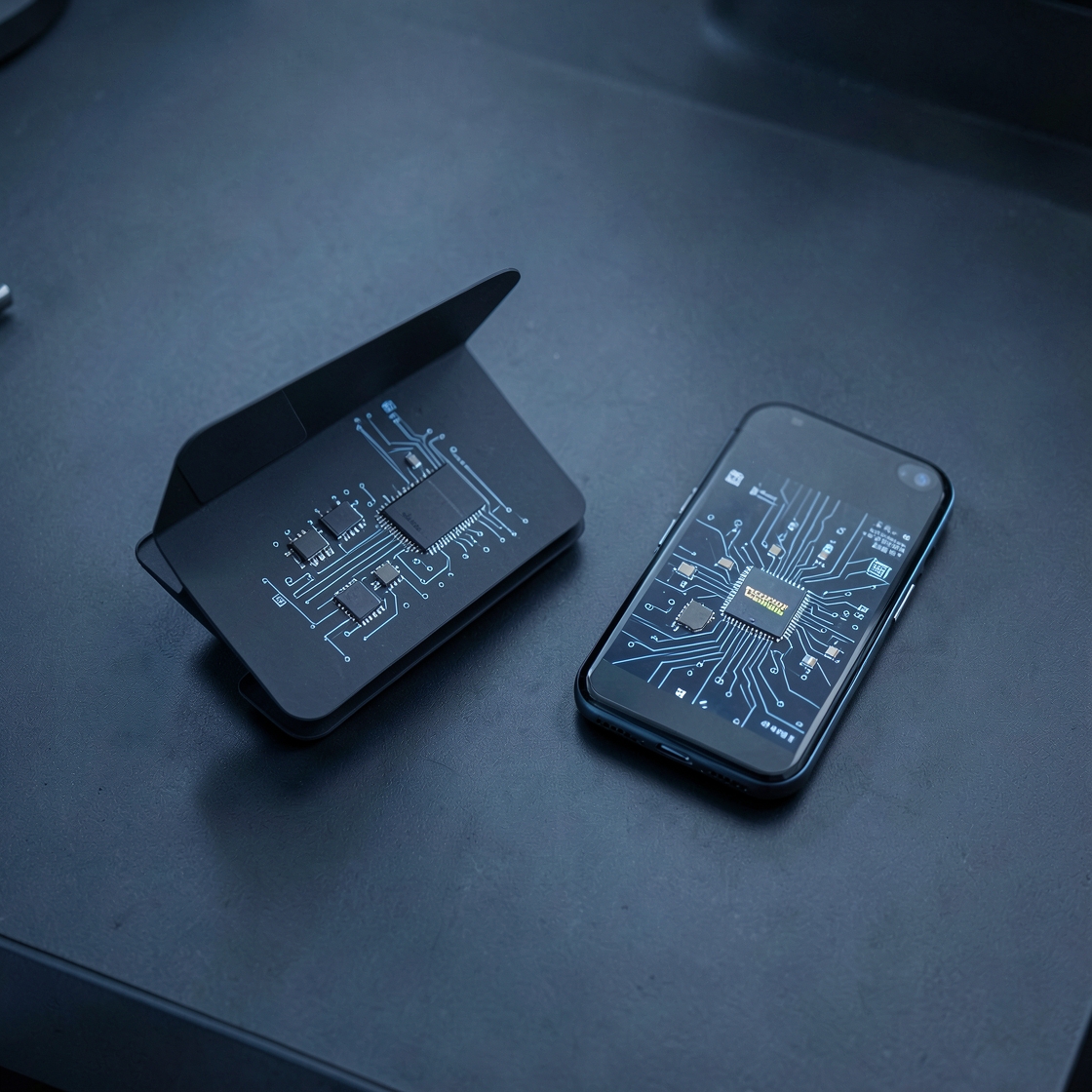
GrapheneOS is widening its hardware plans
GrapheneOS plans to add official support for future Motorola smartphones in 2027, beginning with a conventional flagship and later expanding to the Razr Fold and Razr Ultra foldable lines, according to The Verge. The report was published on August 24, 2026, and also says the project intends to support Google's Pixel 11 family.
The distinction between future and current devices matters. GrapheneOS does not presently list any Motorola phone among its official production targets. Its device-support documentation currently names supported Google Pixel models and explains that official support requires much more than making Android boot on another handset.
For users, the news signals a broader hardware choice in the future, not compatibility with a Motorola phone already on sale. No public GrapheneOS build for a Motorola device has been released yet.
Why the hardware requirements are unusually strict
GrapheneOS is a hardened operating system based on the Android Open Source Project. Its security model relies on the complete device stack: the operating system, kernel, vendor code, firmware and hardware-backed protections all need to be maintainable and meet the project's standards. The project's FAQ says that many devices can run source-level ports, but their hardware or firmware can still prevent them from reaching the standard required for official support.
The Verge reports that Motorola's 2026 Signature and Razr devices come close to those requirements but do not provide sufficiently mature hardware memory tagging and secure-element integration for the project. According to the report, GrapheneOS expects the next generation of Qualcomm's flagship platform to close those gaps, which is why support is aimed at Motorola's 2027 generation rather than current models.
Hardware memory tagging helps detect certain memory-safety errors, while a secure element can isolate sensitive cryptographic operations and enforce protections independently of the main operating system. These are not cosmetic features: they influence whether a security-focused OS can preserve its guarantees across boot, storage, authentication and updates.
The Motorola partnership is already official
The underlying collaboration is not new. In March, Motorola announced a long-term partnership with the GrapheneOS Foundation at Mobile World Congress. Motorola said the two organizations would work on future devices engineered for GrapheneOS compatibility, joint research, software improvements and new security capabilities.
That official announcement established the partnership, but it did not name retail models, prices or a firm launch date. The more specific sequence—first a standard flagship, then the Razr Fold and Razr Ultra—comes from The Verge's newer report. Treating those two layers separately avoids turning a development plan into a shipping promise.
The report also says Motorola is doing a substantial share of the porting work. If that cooperation continues through firmware, device-specific code and updates, it could address one of the hardest parts of supporting security-focused Android builds: long-term coordination with the hardware maker. That is an implication of the collaboration, not confirmation that every implementation milestone has been completed.
What prospective users should know
Anyone considering GrapheneOS today should choose from the project's current official device list rather than buying an existing Motorola model in anticipation of a future port. GrapheneOS also warns that carrier-locked devices may prevent installation because the bootloader cannot be unlocked, so purchase channel and unlockability will remain practical considerations even when compatible Motorola hardware arrives.
The plan does not mean Pixel support is ending. The Verge says GrapheneOS intends to add the Pixel 11 series, while Motorola would provide an additional hardware family. That could reduce the project's dependence on a single smartphone vendor without requiring current users to abandon the supported Pixel ecosystem.
What to watch next
The decisive milestones will be official model names, published device builds, installation guidance and a stated update lifetime. Pricing and the possibility of more affordable Motorola devices remain unresolved. The Verge reports that the first compatible phones are expected to be premium products and that lower-cost support would require suitable security features and longer software maintenance.
Until GrapheneOS adds Motorola hardware to its official support list and publishes builds, the announcement is best understood as a credible, manufacturer-backed expansion plan. Its significance lies less in another Android port and more in designing future phones around the requirements of a hardened mobile operating system.
Related Articles
Evos puts human approval at the boundary of its industrial AI operators
The startup announced $9 million for operators that learn business tasks. Its staged-autonomy model makes permissions and escalation central to evaluation.
SAP's TechWolf deal brings inferred skills into the SuccessFactors roadmap
SAP has agreed to acquire TechWolf, with closing expected in Q4. Its skills-mapping approach could help workforce planning, but employee review and evidence of proficiency remain essential.
Safari 27's Trade Desk ad-blocking report moves to iOS 27.2 beta testing
The public WebKit thread records changes in an October 5 beta, but no completed test report. Publishers need to separate ad delivery from identity matching.
RemoveMacAI 1.0.1 clarifies which Mac cleanup actions delete immediately
The new native app goes beyond disabling Apple Intelligence. Its latest patch distinguishes immediate deletion and reports only measured model space.