A global model that refreshes every hour
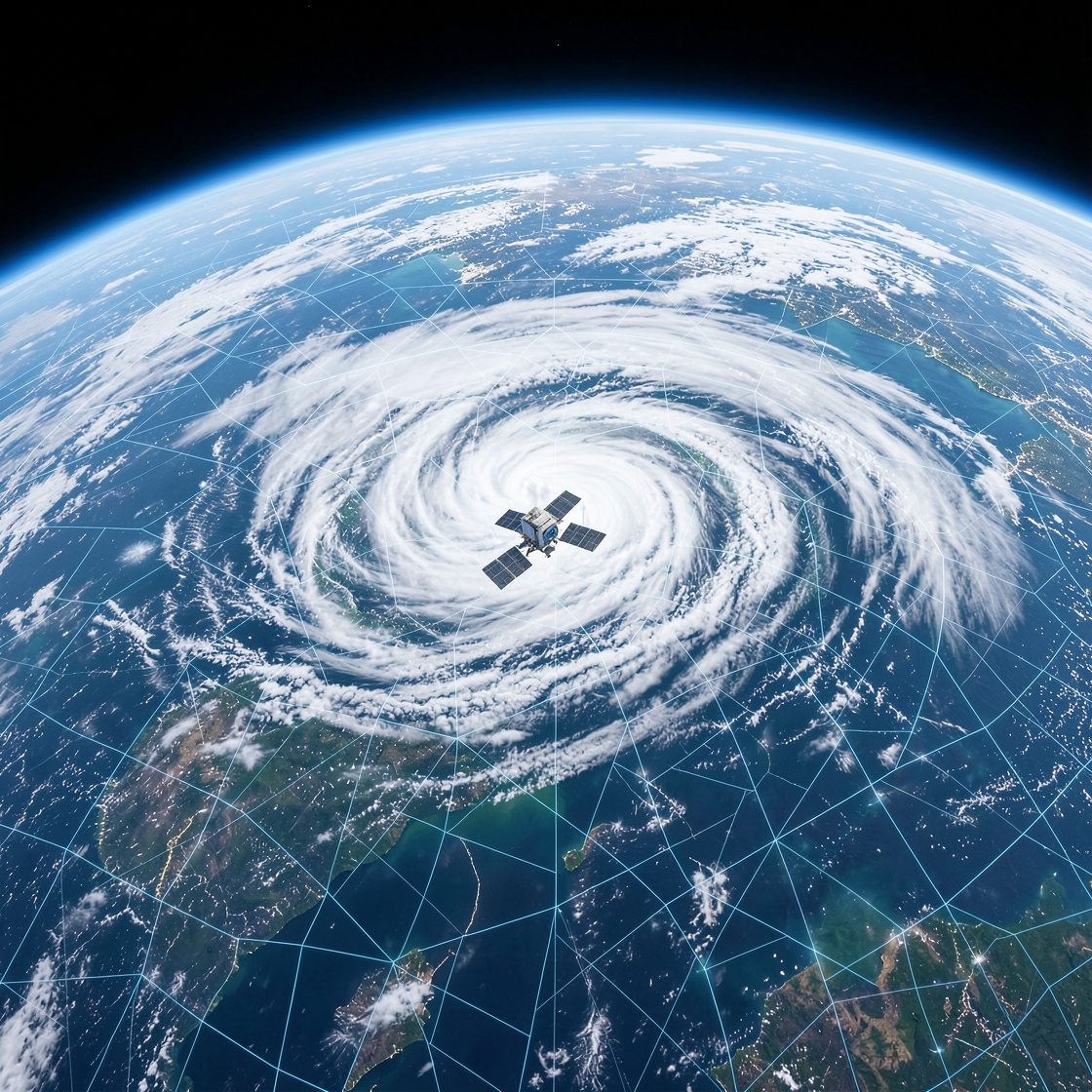
Google DeepMind introduced WeatherNext 3 in a September announcement, and Gizmodo reported the rollout on September 3. DeepMind describes it as its first global weather model able to generate forecasts every hour of the day. Unlike its previous systems, the new ensemble model takes raw satellite imagery as a direct input.
The company says WeatherNext 3 predicts station-targeted temperature and humidity at 5-kilometer resolution and other surface variables, including wind, at 10-kilometer resolution. Those are company-reported capabilities, not an independent operational comparison. The practical change is a combination of more frequent forecast runs and finer local output.
From research system to data service
DeepMind says the model is being integrated into Google Search, Maps and Gemini. Enterprise and research users can also access WeatherNext 3 data through BigQuery, Earth Engine, Google Maps Platform and Google Cloud Storage, including operational and historical forecasts.
That distribution matters because organizations can consume forecasts without deploying the underlying model. Potential uses include wind and solar planning, where radiation and cloud-cover variables can inform operations, as well as logistics and other weather-sensitive workflows. Actual value will depend on regional accuracy, latency, data licensing and how users validate the forecasts against established baselines.
Experimental output is not an official warning
DeepMind explicitly labels Weather Lab as an experimental research platform and tells users to rely on local meteorological agencies or national weather services for official forecasts and warnings. That boundary is essential for safety-critical decisions.
The next evidence to watch is transparent evaluation across regions, weather regimes and lead times, plus documentation showing how the hourly system performs after deployment in Google's consumer and enterprise products.