

Twitter.now tests user-controlled moderation while its trademark fight continues
Operation Bluebird's early-access network promises feed controls and trust signals, but the Twitter name remains at the center of unresolved federal litigation with X.
89 · Page 4 / 8
Operation Bluebird's early-access network promises feed controls and trust signals, but the Twitter name remains at the center of unresolved federal litigation with X.

Apple Maps is introducing clearly marked local-business ads in the US and Canada, appearing before searches and in relevant search results.

AT&T says Spectrum’s hybrid fiber-coax network is marketed too much like fiber-to-the-home. The complaint puts broadband labels under scrutiny.

LinkedIn added a “Seems like AI slop” feedback option, separating low-value repetitive content from useful AI-assisted writing.

Amazon has confirmed a September 30 closure for Mechanical Turk, forcing requesters to move labeling and human-review workflows and workers to find alternatives.

WhatsApp detailed its multi-passkey architecture, fallback design and Android fixes for deploying phishing-resistant sign-in at exceptional scale.

Scalable Capital's Agentic Investing exposes portfolio and order tools through MCP. Clients must approve trades, but the external-assistant boundary still matters.

Google says it repeatedly tests generative-AI apps, removes violators and cuts monetization paths. Developers still need controls that work after review day.

AAOS SDV combines virtual-machine isolation, Rust components, verified boot and attested communication for increasingly centralized vehicle computers.
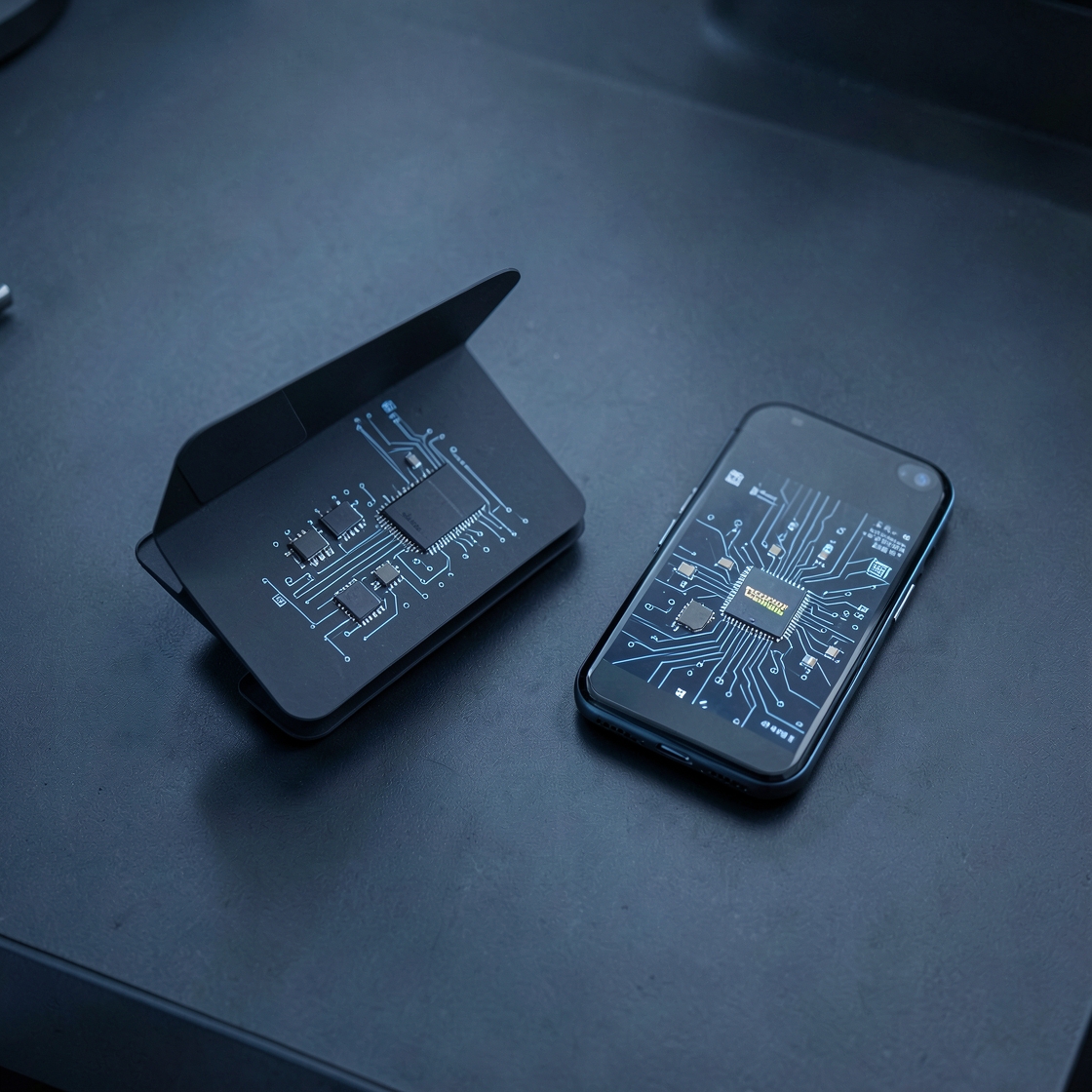
GrapheneOS is preparing official support for future Motorola flagships, followed by Razr foldables, while current Motorola phones remain unsupported.

Flock’s newest AI module embeds a sophisticated computer‑vision pipeline directly into its surveillance cameras, allowing police to extract detailed behavioral cues and scene context far beyond simple license‑plate recognition. WIRED’s code reconstruction confirms that the system can analyze facial expressions, crowd dynamics, and object interactions in real time, raising fresh privacy and oversight concerns.

Flock Safety says it will shorten default license-plate reader data retention, require audit tools, and add case-code controls after mounting concern over police misuse.