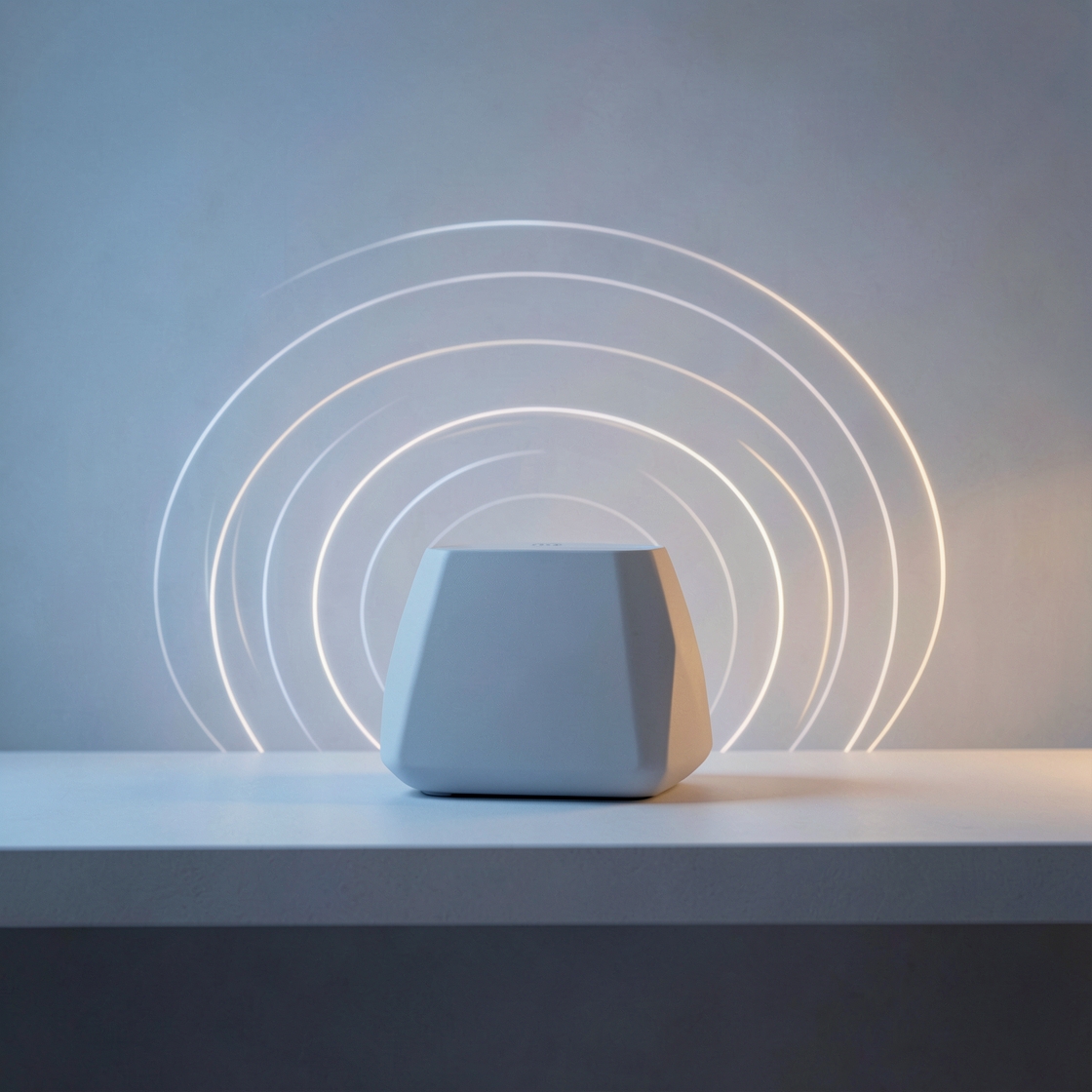
TP-Link has introduced its first consumer hardware designed around the developing Wi-Fi 8 specification. The Verge reported the announcement on September 1, 2026: preorders for the Archer 8 Ultra are scheduled to open in select regions on September 30, while the Deco 8 Ultra mesh system is planned for the first quarter of 2027.
Hardware built ahead of certification
The Archer 8 Ultra is a tri-band router marketed as BN19000, with up to 19 Gbps of combined theoretical wireless capacity, 18 internal antennas and 10-gigabit wired connectivity. The Deco 8 Ultra is a BN22000 tri-band mesh system with a stated aggregate ceiling of 22 Gbps and 10-gigabit Ethernet. Those are vendor specifications, not independent throughput measurements.
TP-Link says the products emphasize reliability rather than a simple peak-speed increase. Reported features include Enhanced Long Range, Distributed Resource Units and mechanisms intended to keep connections steadier under interference or at the edge of coverage. Actual benefits will depend on client support, firmware, radio conditions and the final standard.
Wi-Fi 8 is not final
This launch timing needs a clear qualification. IEEE's 802.11bn task group lists the project as Ultra High Reliability and was working on Draft 2.0 in August 2026. Its current schedule projects final working-group approval in March 2028 and standards-board approval in May 2028. Hardware sold before then is therefore targeting a draft, not implementing a finished IEEE standard.
Early hardware can still be useful, and vendors may update firmware as the specification develops. It can also carry compatibility risk if draft details change. Buyers should look for precise regional availability, client-device support and a written upgrade policy rather than treating the Wi-Fi 8 label as proof of finalized interoperability.
What changes for home networks
The most credible promise of 802.11bn is more consistent service in difficult conditions: crowded spectrum, low-power devices at the edge of a network and links affected by interference. That is different from assuming every device will see the advertised aggregate rate. A network remains limited by its internet connection, wired backhaul, client radios and physical environment.
For households already using Wi-Fi 7 successfully, this announcement alone is not a reason to replace equipment. The practical case will depend on independent testing with compatible clients and on how well multi-node systems maintain latency and reliability under load.
What to watch next
TP-Link has not provided a universal launch date or complete regional pricing in the cited reports. The next useful evidence will be final product pages, certification details, firmware commitments, port layouts and repeatable testing. IEEE ballot progress will show how much the underlying specification is still changing.
Sources and methodology
Related Articles
USBSID-Pico connects vintage SID chips to USB, but the board revision matters
Hackaday's retrocomputing coverage highlights a bridge for real Commodore 64 sound chips. Voltage settings, controller choice and software support need a closer look.
Apple HomeView privacy depends on your paired device, too
A shared display's personal content requires face recognition and a recently unlocked paired device. Apple's Wi-Fi exception matters when setting household rules.
Harris HF-10 teardown shows how a clock tunes an analog filter
A newly identified 1985 chip links to the MF10 filter design. Its charge-transfer method explains clock-based tuning, while part identity alone cannot certify a replacement.
CMF Speaker S and M launch with USB-C audio and distinct stereo options
CMF's first speakers share wired audio and Auracast. Size, identical-model stereo pairing and conditional battery claims matter more than their removable panels.