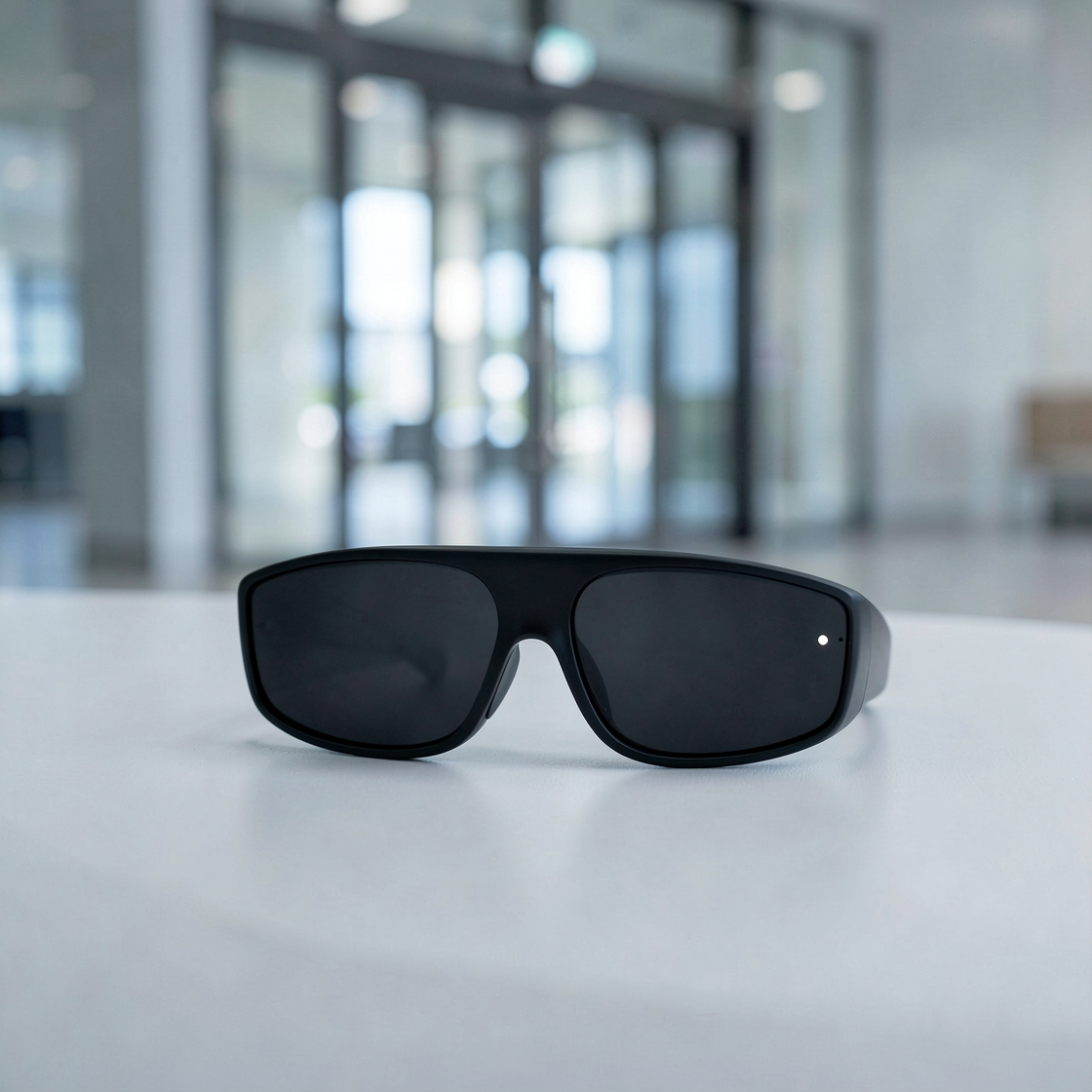
Meta is strengthening a camera safeguard in its AI glasses while trying to answer a harder question: can people nearby trust a recording device that looks like ordinary eyewear? Business Insider reported on 30 August 2026 that the company is stepping up its public explanation of privacy controls as venues impose restrictions on camera-equipped glasses.
The conflict is not simply about whether a camera is legal in a public place. Phones usually make recording behavior visible because a person raises and aims the device. A camera embedded in glasses can capture from the wearer's point of view with far less obvious movement. That changes the social signal even when the underlying photo or video function is familiar.
What the update changes
Meta says every pair of its AI glasses has a white capture LED that blinks when content is being recorded for the wearer's gallery. In its official July 2026 explanation, the company says covering or disabling the LED disables the camera. It also says it is updating the glasses so physical tampering with or destruction of the LED disables the camera.
The latest rollout addresses another edge case reported by technology publications: covering the indicator after a recording has already started. The camera is supposed to stop rather than allow recording to continue without the visible signal. That is a meaningful safety improvement because it ties camera availability to the condition of the indicator, not merely to the moment a recording begins.
It is still a manufacturer-controlled safeguard, not a guarantee that everyone nearby understands or notices the light. Meta also says photos and videos recorded for the gallery remain on the glasses until the wearer chooses to import them to a phone. Those claims describe the intended product behavior; they do not settle questions about consent, venue policy or how a recording is shared after import.
Related products on Amazon
Affiliate disclosure: As an Amazon Associate I earn from qualifying purchases. Links in this section may earn TechKili a commission without changing the purchase price.
Meta Ray-Ban (Gen 2) Wayfarer Smart AI Glasses, Matte Black, Clear Lenses: This current Meta smart-glasses model gives readers concrete product context for the capture-LED and camera safeguards discussed in the article; it is not presented as a privacy solution.

Why venues are making their own rules
Some organizations are not waiting for a universal technical or legal answer. The Register reported that DEF CON 2026 prohibited Meta-style glasses with recording capability. The Guardian documented restrictions at UK restaurants, pubs and theaters. New York's court system also issued a policy covering headwear and eyewear with cameras, microphones or computing capability, according to Bloomberg Law.
These policies have different motives, including privacy, confidential conversations, courtroom integrity and film piracy. They should not be collapsed into one global ban. What they share is an operational problem: staff cannot reliably determine from a distance whether unfamiliar eyewear is recording, whether its indicator is functioning or whether an exception is appropriate. A simple house rule can be easier to enforce than device-by-device inspection.
What wearers and venue operators can do
Wearers should check rules before entering a courtroom, workplace, theater, conference or private venue. Turning off recording is not always equivalent to permission to wear a camera-equipped device. If recording is appropriate, asking before capturing and making the indicator visible helps people understand what is happening.
Venue operators need precise language. A rule aimed at recording should describe the capability rather than a single brand, explain where it applies and account for accessibility needs. Staff also need a consistent response when a device is present. Otherwise, enforcement can become arbitrary while failing to address the actual behavior.
Meta's hardware control closes a real loophole, but trust is larger than a firmware condition. The next test is whether the safeguard works consistently across supported models and whether clearer behavior reduces the pressure for broad venue restrictions.