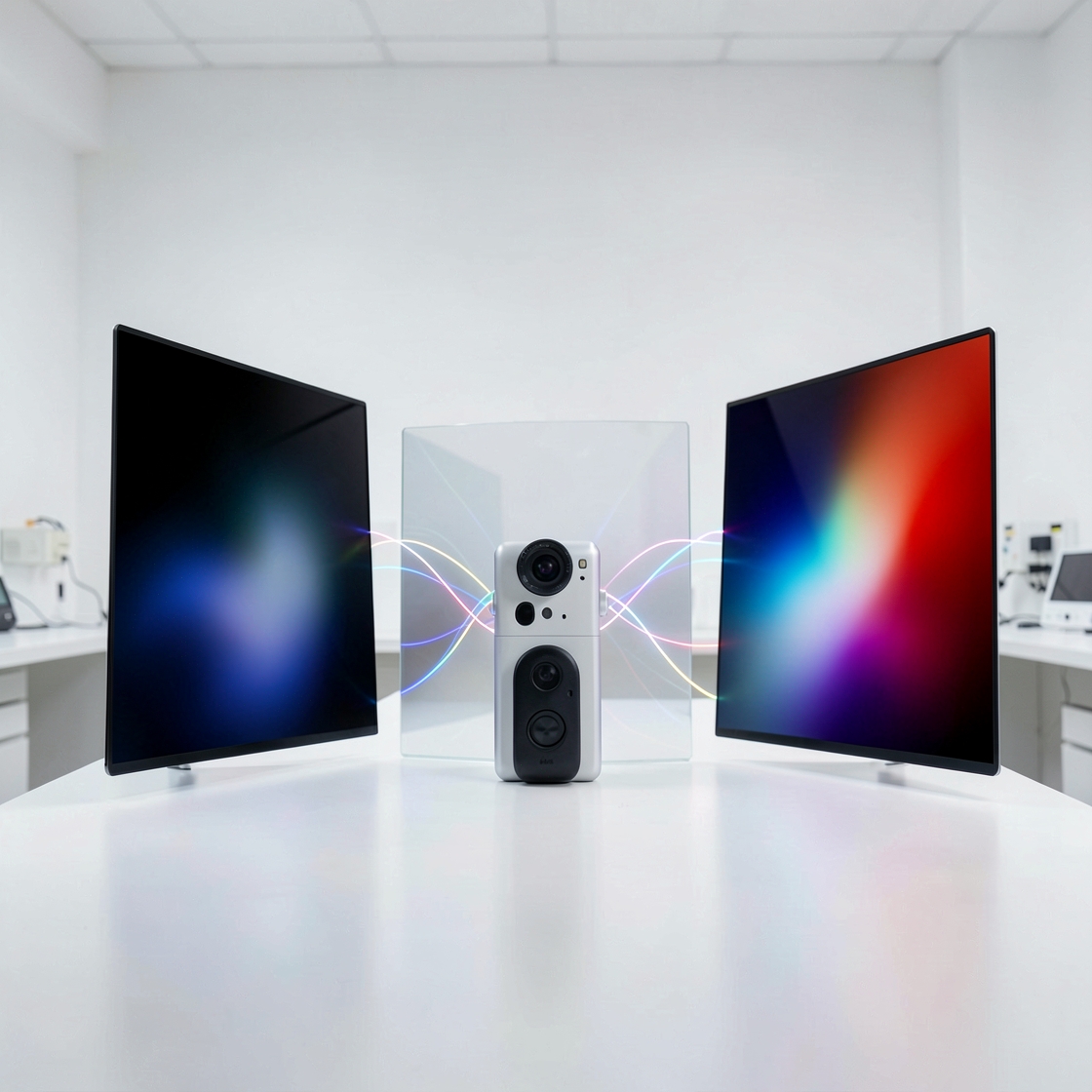
Android 17 adds native support for Eclipsa Video
Google has added native Eclipsa Video support to Android 17, giving developers and device makers a new way to handle HDR video more consistently across phones, tablets, and TVs with compatible HDR displays.
The Android Developers Blog announced the rollout on June 29, 2026. The core idea is practical: HDR video often looks different from one screen to another because each panel has different brightness limits and because apps increasingly mix HDR video with standard dynamic range interface elements. Eclipsa Video carries adaptive metadata with the video so the playback pipeline can preserve highlight detail, color, contrast, and the creator's intended look more reliably.
This is not just a new marketing label. Google's implementation connects the format to Android's media stack, developer APIs, and capture pipeline. That matters because HDR consistency only improves when content creation, playback, and device capabilities line up.
What Eclipsa Video is trying to fix
HDR can make video look more realistic by expanding the range between dark shadows and bright highlights. The problem is that mobile screens, laptops, TVs, and mixed-content feeds do not all have the same luminance headroom. A scene graded on a reference display can appear clipped, washed out, or suddenly too bright on another device.
Eclipsa Video addresses that with metadata based on SMPTE ST 2094-50. The Android media guide describes two key pieces: a reference white anchor for keeping SDR and HDR elements in a predictable relationship, and headroom-adaptive gain curves that help a display map bright regions according to its own capabilities.
For viewers, the intended benefit is less jarring HDR playback. For creators, the benefit is that grading decisions can travel with the file instead of depending only on one static tone-mapping choice. For app developers, the important question is whether the playback path can use that metadata without custom handling in every app.
What developers get in Android
Google says Android 17, API level 37, introduces platform-level support for Eclipsa Video playback and capture on supported HDR devices. The developer guide says Media3 ExoPlayer can parse files with SMPTE ST 2094-50 metadata and apply it without extra player configuration.
Capture support is also part of the story. Apps that record Eclipsa Video need to check device support through CameraCharacteristics and use the HLG10_SMPTE_2094_50 dynamic range profile when routing video to an encoder surface. The guide says Android's media framework handles the metadata when the active dynamic range profile supports it.
The practical takeaway is that video apps, camera apps, and social platforms should not treat Eclipsa Video as only a playback format. If the goal is consistent HDR across creation and viewing, capture support and metadata preservation are just as important as rendering.
Why the standard matters beyond Android
The broader context is that Eclipsa Video is tied to SMPTE ST 2094-50, a specification developed with participation from Google, Apple, and NBCUniversal, according to Eclipsa Media. FlatpanelsHD reports that Eclipsa Video is a compliance and branding program built around that specification and administered through the HDR10+ ecosystem.
That makes the Android 17 rollout notable for two reasons. First, Android is giving the format a platform path at the operating-system level, which can lower implementation friction for app teams using Google's media stack. Second, the format sits in a crowded HDR landscape that already includes Dolby Vision, HDR10, HDR10+, and device-specific tone-mapping behavior.
The safest reading is not that Eclipsa Video immediately replaces existing HDR formats. The confirmed change is narrower and still important: Android developers now have native platform support and documentation for a metadata-driven HDR workflow designed for variable screens and mixed content.
What to watch next
The first thing to watch is device support. Google's availability note says playback and capture require Android 17 or later and HDR displays that pass Eclipsa compliance tests, so the experience will depend on hardware, certification, and OEM rollout choices.
The second thing is app adoption. Media3 support reduces one barrier, but content platforms still need to encode, preserve, test, and serve the metadata correctly. Camera apps also need to expose capture flows that create usable Eclipsa Video files rather than stripping the information later.
The third thing is whether users notice fewer HDR surprises in everyday feeds. If Eclipsa Video works as intended, its value will show up less as a visible feature button and more as videos that stop looking too dim, too harsh, or inconsistent when they move between devices.
Related Articles
Evos puts human approval at the boundary of its industrial AI operators
The startup announced $9 million for operators that learn business tasks. Its staged-autonomy model makes permissions and escalation central to evaluation.
SAP's TechWolf deal brings inferred skills into the SuccessFactors roadmap
SAP has agreed to acquire TechWolf, with closing expected in Q4. Its skills-mapping approach could help workforce planning, but employee review and evidence of proficiency remain essential.
Safari 27's Trade Desk ad-blocking report moves to iOS 27.2 beta testing
The public WebKit thread records changes in an October 5 beta, but no completed test report. Publishers need to separate ad delivery from identity matching.
RemoveMacAI 1.0.1 clarifies which Mac cleanup actions delete immediately
The new native app goes beyond disabling Apple Intelligence. Its latest patch distinguishes immediate deletion and reports only measured model space.